What a professional garage coating actually is.
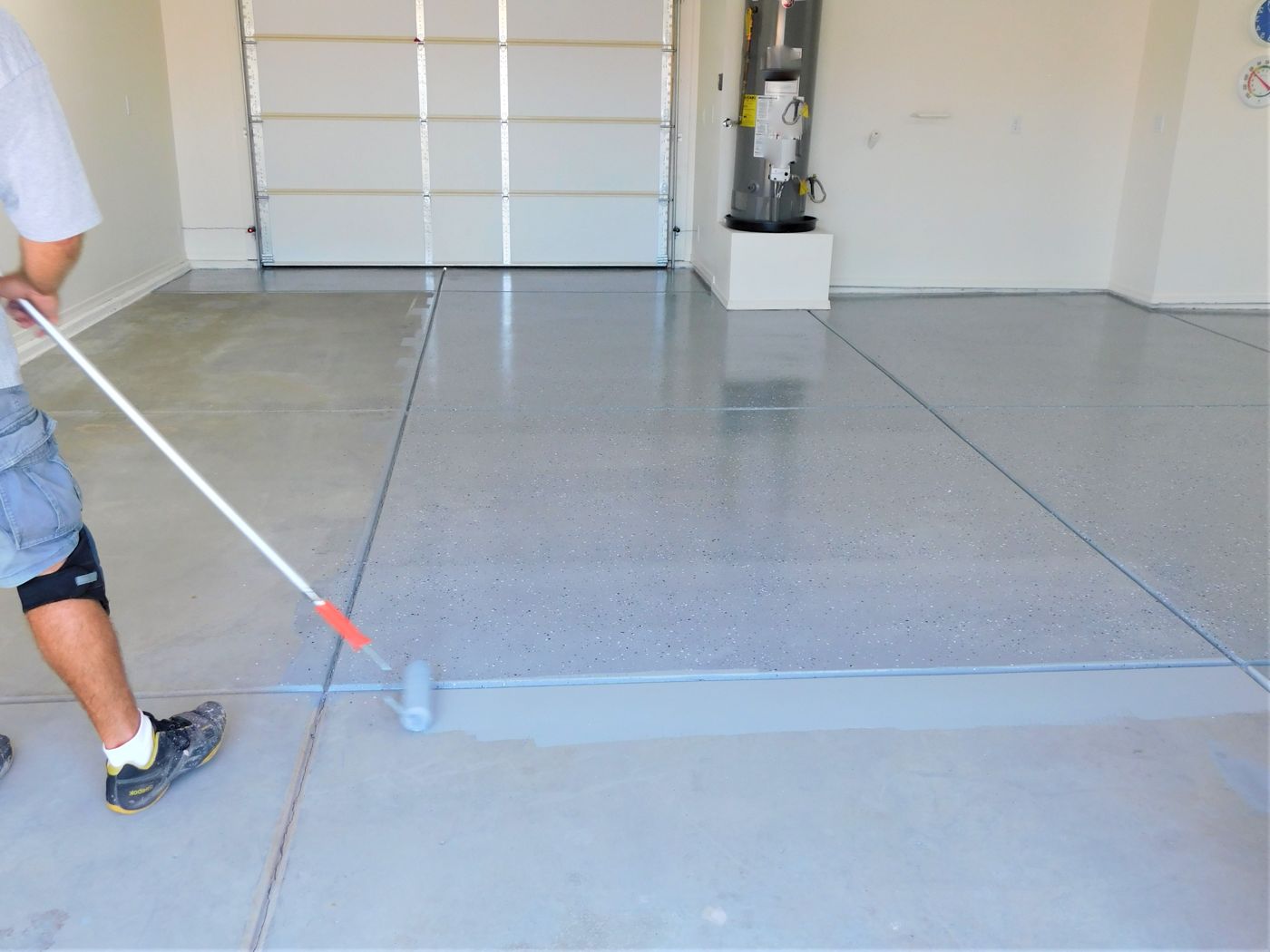
A garage floor coating is a multi-layer resin system that bonds into the top of your concrete slab and creates a new, sealed wear surface. It is not paint, and it is not the one-part epoxy sold in a box at the home center. A professional system is applied over concrete that has been mechanically ground, repaired and cleaned, and every layer is chosen for a specific job: grip the concrete, build thickness, add color and texture, and resist wear, chemicals and sunlight.
In San Tan Valley, most garages were poured as part of large production subdivisions. The slabs are usually sound, but they were broom-finished, left unsealed and then exposed to years of hot tires, sprinkler overspray, monsoon dust and the occasional oil drip. That bare concrete is porous. It absorbs stains, sheds a fine powder that gets tracked into the house, and shows every hairline crack. A coating closes all of that off and gives you a floor that looks finished and cleans up in minutes.
The layers in a typical system
- Diamond-ground concrete. Grinding removes the weak top paste, old sealers and contamination, and opens a profile for the primer to grab.
- Penetrating base coat. A low-viscosity epoxy or polyurea soaks into the slab and locks the system to the concrete.
- Color and flake. A pigmented body coat is broadcast with vinyl flake to full coverage, or left as a solid color for a cleaner look.
- UV-stable clear topcoat. A polyaspartic finish seals the flake, adds gloss and texture, and resists hot tires, chemicals and sun.
What changes once the garage floor is coated.
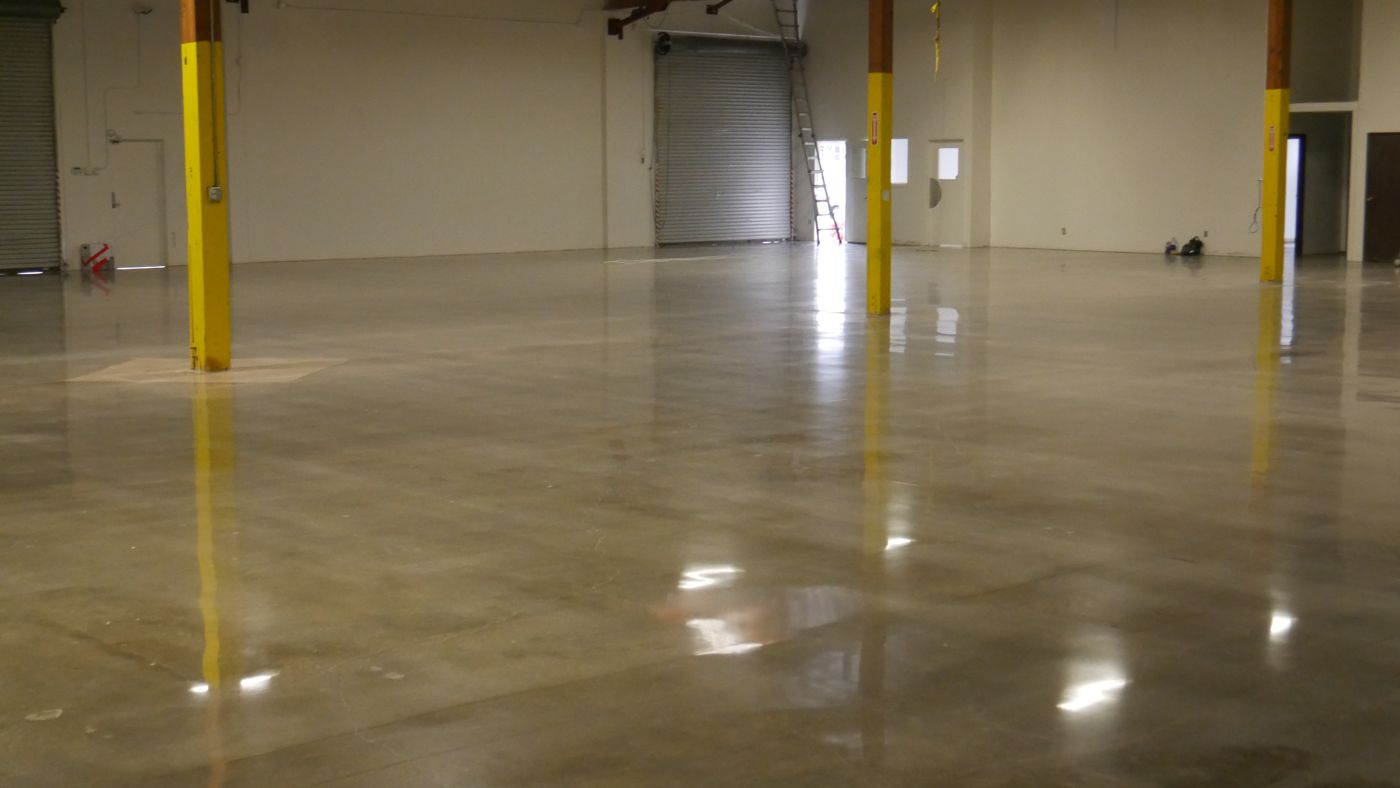
The first thing most homeowners notice is light. A coated floor reflects far more light than gray concrete, so the garage feels brighter and bigger, even with the same fixtures. The second thing is how quickly it cleans. Desert dust that used to grind into the pores now sits on top of the surface where a push broom or leaf blower can move it. Oil, coolant and brake fluid wipe up instead of leaving permanent shadows.
Practical benefits
- Dust control. Sealing the slab stops the powdery dusting that comes from unsealed concrete, which means less grit tracked into the house.
- Stain resistance. Automotive fluids, fertilizer, pool chemicals and hard-water spots stay on the surface instead of soaking in.
- Better grip. Flake texture and optional anti-slip aggregate give more traction than smooth sealed concrete, especially with wet shoes after a storm.
- Easier organization. A clean, bright floor makes cabinet systems, gym equipment and workshop setups look and work better.
- Resale appeal. Buyers in San Tan Valley tour a lot of similar floor plans. A finished garage is one of the details that helps a home stand out in listing photos.
Many of our clients also use the garage as a home gym, a hobby shop, a kids' play area during the hottest months or overflow storage for a growing family. A coated floor supports all of those uses better than bare concrete and makes the space feel like part of the home.
Choosing a finish for your garage.
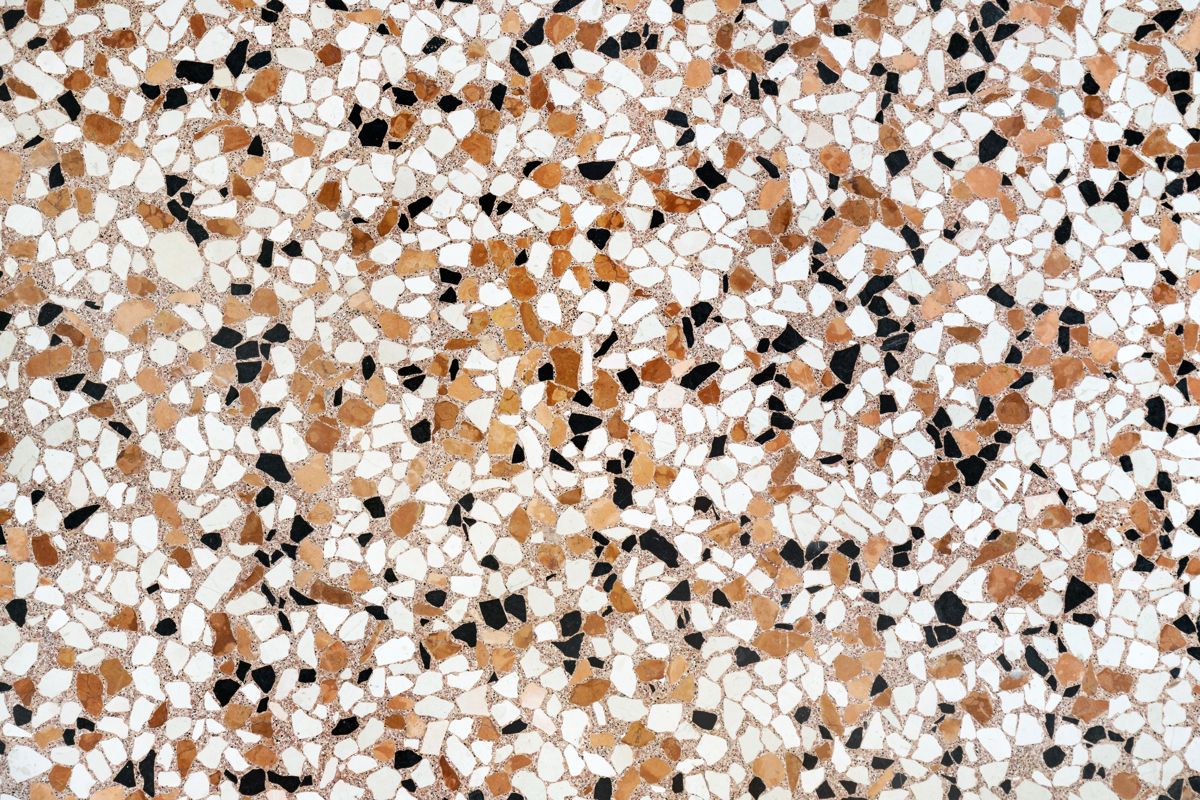
The most popular choice for San Tan Valley garages is a full-broadcast flake floor. Vinyl chips are thrown onto a wet base coat until no base color shows through, then the excess is scraped and vacuumed away and the floor is sealed with a clear topcoat. The result is a speckled, granite-like surface that hides dust between cleanings, disguises minor imperfections in the slab and offers natural texture underfoot.
Flake blends that suit desert homes
Warm blends with sand, tan, cream and soft gray tones pair well with the stucco exteriors and earth-tone interiors common across Johnson Ranch, Pecan Creek and Copper Basin. Cooler gray and white blends look crisp with modern white cabinets and black hardware. Darker blends hide tire marks best but can show light dust, while mid-tone blends tend to be the most forgiving overall. We bring physical samples to every visit so you can see them in your own garage lighting.
Solid-color and metallic options
If you prefer a clean, uniform look, a solid-color system in light gray, tan or a custom shade gives a showroom feel and works especially well with workshop setups. For car enthusiasts who want something dramatic, metallic epoxy creates a deep, flowing finish, though it shows dust more readily and is usually better suited to garages that are kept closed and climate controlled.
Not sure which direction to go? Most homeowners choose between two or three blends during the floor visit. We will lay the samples on your slab, open the garage door and let you see them in real afternoon light.
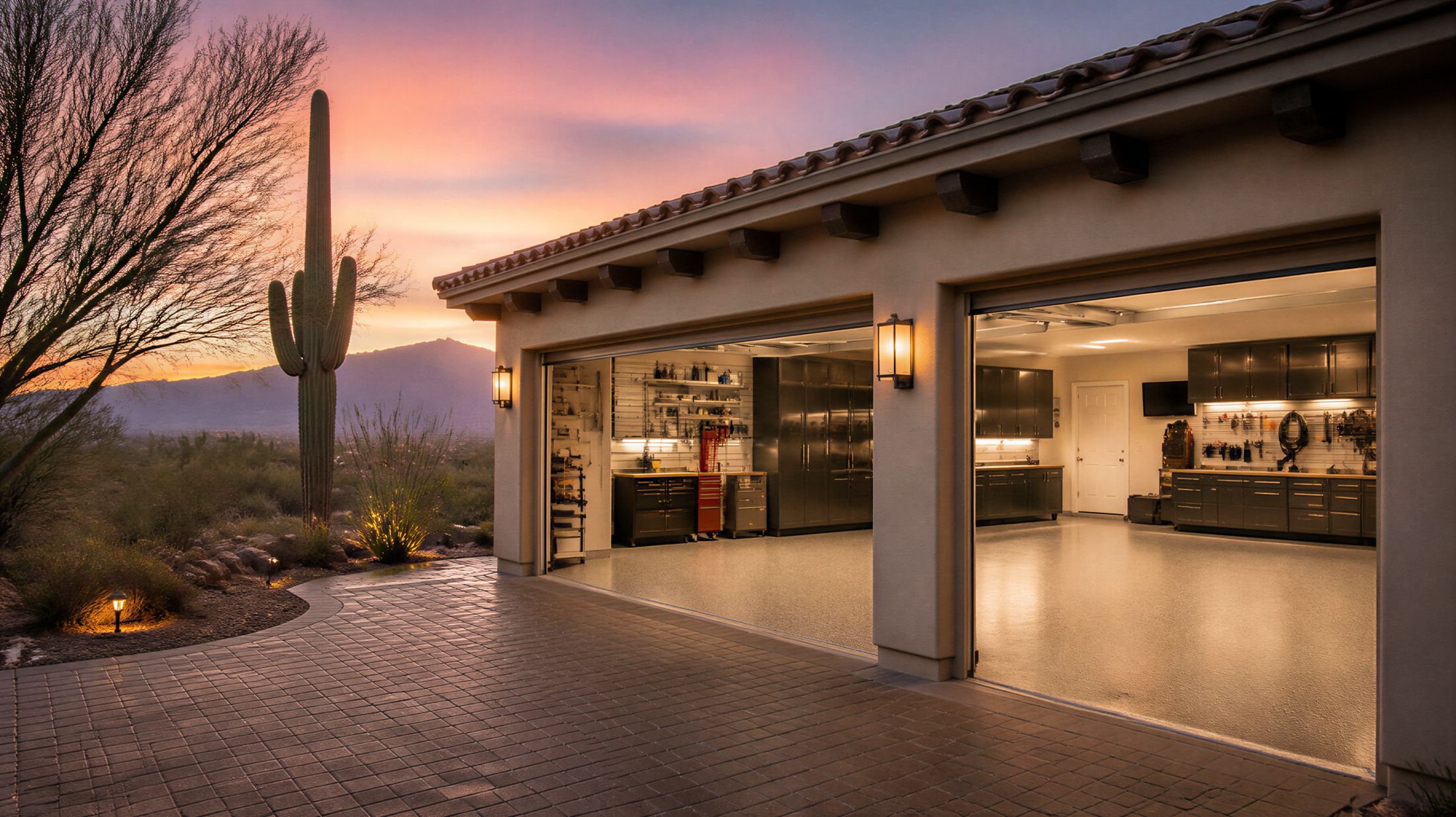 Full-broadcast flake system
Big garages, bright sun and shifting soils.
Arizona garages put coatings through more stress than most climates. A west-facing garage with the door open on a July afternoon can see slab surface temperatures far above the air temperature, and the sun hitting the first few feet of floor is intense. Cheap epoxy can soften, yellow or lift where hot tires sit. That is why our garage systems finish with a UV-stable polyaspartic topcoat and why we never skip grinding.
The soils across northern Pinal County also matter. Expansive clay and caliche layers move with moisture, and many slabs in the area show shrinkage cracks along control joints and corners. We open cracks with a diamond blade, clean them out and fill them with the right material, either a rigid filler for static cracks or a flexible one where movement is likely. Control joints can be filled and coated over for a seamless look or honored and caulked to allow for movement, depending on the slab.
Moisture is the other quiet factor. After monsoon storms or heavy irrigation, water vapor can push up through a slab from below. We check moisture before coating, and if levels are high we use a moisture-tolerant primer so the system stays bonded.
How a garage installation day runs.
On install day the crew arrives in the morning, sets up dust-controlled grinding equipment, and protects your walls, door seals and driveway. Grinding usually takes the first part of the day, followed by crack and spall repair. The base coat goes down next, then flake is broadcast by hand to full coverage. After the base cures enough to walk on, the crew scrapes and vacuums the loose flake, inspects the surface and rolls the clear topcoat.
What you need to do
- Clear everything off the floor the day before, including shelving that sits on the slab, so we can coat wall to wall.
- Park vehicles outside and plan for them to stay out for about a day or two afterward.
- Keep kids and pets out of the garage while we work and while the coating cures.
- Leave the power on; we use your outlets or bring a generator if needed.
You can usually walk on the floor that evening in socks and return light items to the space the next day. We give you a specific time for parking based on the weather during your install, since curing speeds up in heat and slows down in the cooler winter months.
What sets the price of a garage floor coating.
Every garage is different, so we quote each one after seeing it. The biggest factors are the square footage, the condition of the concrete, the system you choose and any extras such as stem walls or steps.
- Size. Two-, three- and four-car garages, plus RV and golf-cart bays, are measured on site.
- Slab condition. Heavy cracking, spalling, oil-soaked areas and old coatings or paint add prep time.
- System choice. A single-color system costs less than a full-broadcast flake floor with a polyaspartic topcoat.
- Stem walls and steps. Coating the short concrete walls around the perimeter and the step into the house gives a finished look and is priced separately.
- Texture and add-ons. Anti-slip aggregate, custom color blends and parking lines are optional.
Your written quote lists each of these items so you can see exactly where the cost comes from and adjust the scope if needed.
Looking after a coated garage floor.
A coated garage floor needs very little maintenance. Sweep or blow out dust regularly, especially after monsoon storms. For a deeper clean, use a soft mop or floor scrubber with warm water and a pH-neutral cleaner, then rinse. Avoid harsh acids and strong solvents for routine cleaning. Put a parking mat under each tire during the wet season to catch mud, and use plywood or pads under jack stands, motorcycle kickstands and ladders. If you ever notice anything unusual, call us; small issues are simple to address early.
Garage Floor Coatings: common questions
Can I park on my garage floor the same day?
Usually not. You can walk on most polyaspartic systems the same evening, but vehicles should wait roughly 24 to 48 hours depending on temperature. We give you a specific time on install day.
Will my garage floor be slippery?
Flake floors have natural texture. If you want more grip, we can add a fine anti-slip aggregate to the topcoat, which is a good idea near the house entry and for homes with older family members.
Do you coat the stem walls?
Yes. Coating the short concrete walls around the garage perimeter creates a clean, finished edge and makes cleaning easier. It is quoted as an optional line item.
What happens to the cracks in my slab?
Cracks are opened, cleaned and filled before coating. Hairline cracks usually disappear under a flake floor. Active structural cracks can still move, so we explain what to expect during the visit.
Is a DIY kit a reasonable alternative?
Kits use thin, low-solids epoxy rolled over acid-etched concrete. They can look good at first, but in Arizona heat they are prone to hot-tire pickup, peeling and yellowing. A professional system starts with diamond grinding and uses commercial-grade resins.